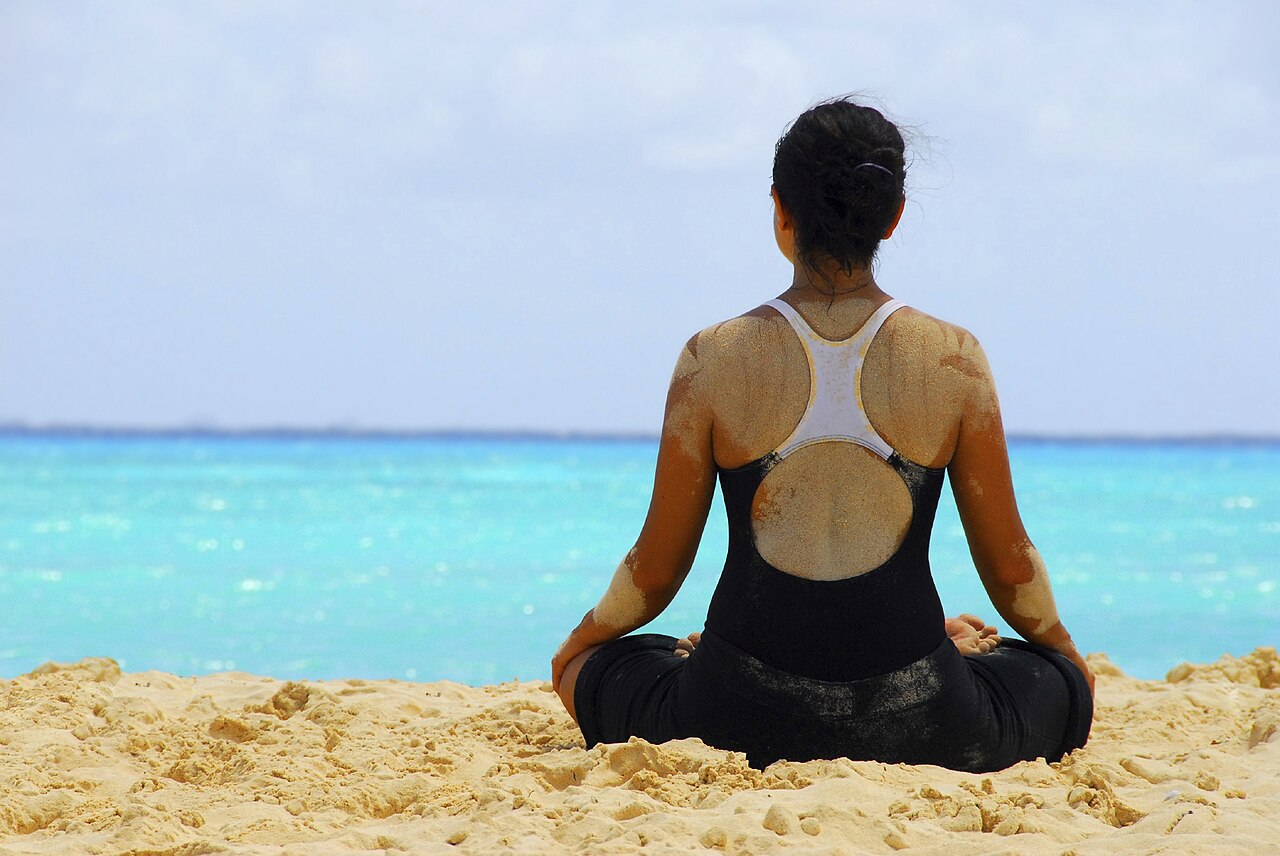
Mind-body practices are activities that use attention, breathing, movement, or body awareness to influence how a person responds to stress. Meditation, mindfulness, yoga, tai chi, progressive muscle relaxation, guided imagery, and slow breathing are common examples. These practices are often described as “holistic” because they consider mental and physical experience together, but they should still be evaluated with the same questions used for any health approach: What is the evidence? What are the limitations? Is it safe for this person?
The National Center for Complementary and Integrative Health explains that meditation and mindfulness may support well-being and may help with stress, anxiety, sleep, and some forms of pain, but research quality varies and findings are not equally strong for every outcome. Mind-body practices are best viewed as supportive tools, not replacements for medical or psychological care.
A useful mind-body practice should make daily life more manageable. It should not require ignoring symptoms, forcing discomfort, or believing that stress is a personal failure.
What counts as a mind-body practice?
The category is broad. Some practices are still and attention-based, while others involve movement. Some have spiritual or cultural origins, while others are taught in clinical programs with little religious framing. The common feature is deliberate attention to the relationship between bodily sensations, thoughts, emotions, and behavior.
| Practice | Main method | Typical goal |
|---|---|---|
| Mindfulness meditation | Observing present-moment experience without immediate judgment | Improve awareness and reduce automatic reactions |
| Slow breathing | Gentle, paced breathing with a longer or relaxed exhale | Reduce physiological arousal |
| Progressive muscle relaxation | Tensing and releasing muscle groups in sequence | Recognize and reduce physical tension |
| Guided imagery | Using sensory imagination to create a calming mental scene | Support relaxation and focused attention |
| Yoga | Combining postures, breathing, and attention | Improve mobility, strength, balance, and stress regulation |
| Tai chi or qigong | Slow coordinated movement with breathing and awareness | Support balance, movement confidence, and calm focus |
Important note: These practices are not interchangeable. A person who dislikes seated meditation may respond better to walking, stretching, or tai chi. The best choice is usually the one that feels safe, understandable, and sustainable.
How stress affects mind and body
Stress is not only a thought. It can change breathing, muscle tension, heart rate, digestion, sleep, and attention. Short-term stress responses can be useful when a person needs to react quickly. Problems arise when activation continues for long periods, when recovery is limited, or when stressors exceed available support.
Mind-body practices do not remove difficult circumstances. Instead, they may create a small pause between a stressor and the response. That pause can make it easier to notice tension, choose a next step, and avoid escalating a manageable situation.
Common signs that stress is carrying into the body
- Shallow or rapid breathing
- Jaw, neck, shoulder, or back tension
- Difficulty falling asleep or staying asleep
- Headaches or stomach discomfort
- Restlessness or feeling unable to slow down
- Reduced concentration and more frequent irritability
- Using food, alcohol, screens, or work to avoid uncomfortable feelings
These signs can also have medical causes. Persistent, severe, or new symptoms deserve professional evaluation rather than being automatically attributed to stress.
What the evidence supports—and what it does not
Research on mindfulness and meditation suggests possible benefits for stress, anxiety, depression symptoms, sleep quality, and some pain conditions. However, studies use different techniques, program lengths, instructors, and outcome measures. This makes it difficult to treat “meditation” as one uniform intervention.
| Area | What research suggests | Reason for caution |
|---|---|---|
| Stress and anxiety | Structured mindfulness programs may reduce symptoms for some people | Effects vary, and established therapies may be more appropriate for clinical disorders |
| Sleep | Mindfulness may improve perceived sleep quality | It is not a substitute for evaluation of sleep apnea, severe insomnia, or medication effects |
| Chronic pain | Some people report better coping or short-term symptom improvement | Results differ by pain condition, and pain should be medically assessed |
| Blood pressure | Relaxation and mindfulness may provide modest support | They should not replace prescribed treatment |
| General well-being | Regular practice may improve awareness and perceived calm | Benefits are often subjective and depend on consistency |
The most responsible interpretation is that mind-body practices can be useful additions to a broader health plan. They are not universal cures and should not be marketed as treatments for every condition.
Six accessible practices to try
1. A two-minute breathing reset
Sit or stand in a comfortable position. Let the shoulders drop. Breathe in gently through the nose if comfortable, then allow a slow, easy exhale. Do not force a deep breath. Repeat for two minutes while noticing the sensation of air moving.
2. Five-sense grounding
Name five things you can see, four things you can feel, three things you can hear, two things you can smell, and one thing you can taste or imagine tasting. This is not designed to erase emotion; it redirects attention toward the immediate environment.
3. Progressive muscle relaxation
Starting with the hands or feet, gently tense one muscle group for a few seconds and then release it. Move through the body without using painful force. The contrast between tension and release can make habitual bracing easier to recognize.
4. Mindful walking
Walk at a comfortable pace and notice the contact of the feet with the ground, the movement of the arms, sounds in the environment, and changes in breathing. Mindful walking can be more accessible than sitting still, especially for people who feel restless.
5. Gentle mobility sequence
Use slow shoulder rolls, neck turns within a comfortable range, ankle circles, and easy reaching movements. The goal is not to stretch as far as possible. It is to move with awareness and stop before pain.
6. A brief body scan
Move attention gradually from the feet toward the head. Notice pressure, warmth, tightness, tingling, or neutral sensations without needing to change them. If a body area feels overwhelming, shift attention to a neutral place or open the eyes.
A seven-day starter plan
| Day | Practice | Time | Focus |
|---|---|---|---|
| 1 | Slow breathing | 2 minutes | Comfortable, unforced exhale |
| 2 | Mindful walking | 5 minutes | Foot contact and surroundings |
| 3 | Muscle relaxation | 8 minutes | Tension and release |
| 4 | Five-sense grounding | 3 minutes | Present environment |
| 5 | Gentle mobility | 10 minutes | Comfortable range of motion |
| 6 | Body scan | 8 minutes | Nonjudgmental noticing |
| 7 | Choose the most useful practice | 5–10 minutes | Repeatability |
How to make the practice more likely to continue
- Choose one technique rather than starting several at once.
- Attach it to an existing routine, such as after brushing teeth or before lunch.
- Start with two to five minutes instead of aiming for a long session.
- Track whether it feels helpful, neutral, or uncomfortable.
- Adjust the posture, setting, or technique when needed.
- Use a trained instructor for complex movement or trauma-sensitive practice.
- Stop and seek help if symptoms worsen significantly.
Safety considerations
Meditation and mindfulness are often described as low-risk, but low-risk does not mean risk-free. NCCIH notes that some people report negative experiences, including increased anxiety or depression. Long silent retreats, intensive breathing, or practices that encourage prolonged focus on traumatic memories may be inappropriate without skilled support.
- People with panic symptoms may prefer natural breathing rather than deliberate deep breathing.
- People with trauma histories may feel safer keeping their eyes open and orienting to the room.
- Yoga postures should be modified for injuries, pregnancy, dizziness, joint problems, or balance limitations.
- Anyone with chest pain, fainting, severe shortness of breath, or new neurological symptoms should seek medical care rather than trying to “breathe through” the problem.
- Mind-body practices should not be used to stop prescribed medication without professional guidance.
Highlighted safety note: If a practice consistently increases distress, dissociation, panic, pain, or intrusive memories, stop. A different approach or professional support may be more appropriate.
How to evaluate a teacher or program
The wellness market includes excellent instructors and exaggerated claims. A responsible teacher explains their training, welcomes modifications, avoids promising cures, and respects medical boundaries.
| Positive sign | Warning sign |
|---|---|
| Explains qualifications and scope | Claims to diagnose or cure serious disease |
| Encourages medical care when appropriate | Advises stopping medication |
| Offers alternatives and modifications | Pressures participants to tolerate pain |
| Discusses possible discomfort honestly | Blames negative experiences on insufficient belief |
| Uses transparent pricing | Requires costly products or escalating packages |
Integrating mind-body practices into a broader stress plan
Stress management is strongest when it includes more than relaxation. Sleep, movement, social support, workload, financial pressure, caregiving demands, and access to health care can all influence stress. A short meditation cannot compensate for every structural problem, but it may help a person identify what needs attention.
Calming the nervous system is useful, but the next question is often practical: What can be changed, shared, scheduled, discussed, or supported?
A complete plan may include regular physical activity, consistent meals, boundaries around work, conversations with supportive people, medical evaluation, counseling, and changes to the environment. Mind-body practice can support those steps rather than replace them.
Bottom line
Mind-body practices can offer a practical way to notice stress and respond with greater intention. The evidence is most supportive when these practices are used as structured, realistic additions to conventional care and healthy routines. Begin with short sessions, choose methods that feel safe, and evaluate the effect over time.
No single technique works for everyone. A person who feels worse during meditation is not “doing it wrong.” They may need a different method, a trauma-informed instructor, or professional mental health support.